Jim Corbett
Exploring the Adventures of Jim Corbett: A Legendary Hunter Turned Conservationist
Jim Corbett Destination
The Jim Corbett National Park was established in 1936 and is named after the hunter-turned-conservationist Jim Corbett. This park, also known as Hailey National Park, was India’s first national park. It spreads over an area of 520 square kilometres and is situated along the banks of Ramganga River. The park has a rich variety of flora and fauna which includes more than 50 species of mammals, 580 species of birds, 25 species of reptiles and about 110 species of trees. The most popular inhabitants are the Bengal tigers, Asiatic elephants, leopards, sambar deer and nilgai antelopes.
In addition to being a wildlife sanctuary, Jim Corbett National Park also offers visitors some exciting activities like elephant safaris, jeep safaris, river rafting and nature walks. You can also visit numerous historic sites within the park such as Dhikala Forest Lodge, Garjia Temple and several other ruins from long ago. If you’re looking for an escape amidst tranquil surroundings accompanied by an abundance of exotic wildlife, then Jim Corbett National Park is definitely the place for you!
History
Jim Corbett National Park has a rich history that dates back to the early 1900s when it was established as Hailey National Park. The park was renamed in honor of Jim Corbett, a famous hunter and conservationist who played an instrumental role in establishing the reserve.
The main objective behind establishing this park was to protect the Bengal Tiger population from extinction. Initially, only around 20 tigers were left in this region due to excessive hunting and poaching activities. To prevent further depletion of tiger numbers, several measures were taken by the government such as imposing strict laws against hunting and poaching.
Over time, more species including leopards, elephants, deer, langurs have been added to the list of protected animals within Jim Corbett National Park. Today it is considered one of India’s most well-known national parks with tourists arriving from all over the world to witness its natural beauty and diverse wildlife.
The park has undergone several transformations since its inception including changes made during World War II when parts of it were used for military training purposes. Despite these alterations over time, however, today’s visitors can still experience much of what originally drew people here: pristine wilderness areas teeming with life!
Geography
Jim Corbett National Park is located in the northern state of Uttarakhand, India. It covers an area of 520 square kilometers and is situated at a height ranging from 400 to 1200 meters above sea level. The park was established in 1936 as Hailey National Park and was later renamed after the famous hunter-turned-conservationist Jim Corbett.
The park is divided into five zones, namely Bijrani, Dhikala, Jhirna, Sonanadi and Durgadevi. Each zone has its own unique landscape with different terrains such as hills, grasslands, riverine belts and marshy depressions.
The Ramganga River flows through the park and provides water to various animals residing within it. The river also acts as a natural boundary for some parts of the park.
Jim Corbett National Park is surrounded by lush green forests which are home to a variety of flora including Sal trees,Chebula Terminaliaand Beleric Myrobalan . Along with these trees there are around more than hundred types of shrubs found here too.
The diverse geography creates an ideal habitat for over 500 species of birds along with tigers, elephants and leopards among other wildlife.
Overall,the geography plays a crucial role in maintaining the ecosystem within Jim Corbett National Park making it one of the most biodiverse regions in India that attracts tourists from all around the world!
Flora and Fauna
Jim Corbett National Park is famous for its rich and diverse flora and fauna. The park is home to a wide range of plant species such as Sal, Sheesham, Rohini, Kharpat, Mango Trees and many other types of trees. These trees provide shelter to various animals in the park.
Corbett also has an extensive variety of animal species which includes tigers, leopards, elephants, deer (spotted deer and sambar), wild boars among others. It’s said that Jim Corbett National Park has the highest density of tigers in India which makes it one of the best tiger reserves in India.
Apart from big cats like tigers and leopards; several reptiles such as crocodiles are also found in the River Ramganga flowing through this forested land. You can spot different varieties of birds here too including crested serpent eagle, black-winged kite amongst others.
The flora and fauna at Jim Corbett National Park are so well-preserved that they attract tourists from all over the world who come here to witness nature at its best. The natural setting along with wildlife sightings make for an unforgettable experience that you wouldn’t want to miss!
How to reach Corbett
Reaching Jim Corbett National Park is easier than you might think. The park is situated in Ramnagar, Uttarakhand and can be easily accessed through multiple modes of transportation.
If you prefer traveling by air, the nearest airport to Corbett is Pantnagar Airport which is nearly 80 km away. You can hire a taxi or take a bus from the airport to reach your destination.
For those who enjoy train journeys, Ramnagar Railway Station serves as the closest railway station to Jim Corbett National Park. It’s well-connected with major cities such as Delhi and Lucknow making it an accessible option for travelers.
Another option for reaching Corbett would be via roadways. Several buses operate between Delhi and Ramnagar on a daily basis offering hassle-free travel options at affordable prices.
In case you’re traveling by car, the roads leading up to Jim Corbett are smooth and scenic giving you ample opportunities for pitstops along the way.
Regardless of what mode of transport suits your fancy, make sure to check weather conditions before starting your journey since certain routes may get affected during monsoons.
Safari in Corbett
Embark on an exhilarating safari experience in Jim Corbett National Park. This wildlife sanctuary is home to a diverse range of animals including tigers, elephants, leopards and sloth bears. Safaris are conducted twice daily – early morning and late afternoon.
The best time to visit Jim Corbett for a safari adventure is during the winter months of November to February when the weather is pleasant and dry. During the monsoon season from July to September, some areas within the park may be inaccessible.
There are two types of safaris available – Jeep Safari and Canter Safari. The Jeep Safari can accommodate up to 6 people while Canter Safari can seat up to 16 people at once.
During your safari tour, you will be accompanied by experienced guides who have vast knowledge about flora and fauna found in Corbett Park. They will help you spot different species of birds such as Grey Heron or Spot-billed Duck besides mammals like Sambar Deer or Indian Pangolin.
Do not forget that it’s important to follow the rules set for visitors during their safaris which includes maintaining silence inside the park so as not disturb any animals’ natural habitat. Ensure that your visit doesn’t leave any negative impact on this beautiful national park!
Places to stay in Corbett
When it comes to planning a trip to Jim Corbett National Park, selecting the right place to stay is crucial. The park offers various accommodation options catering to different budgets and preferences.
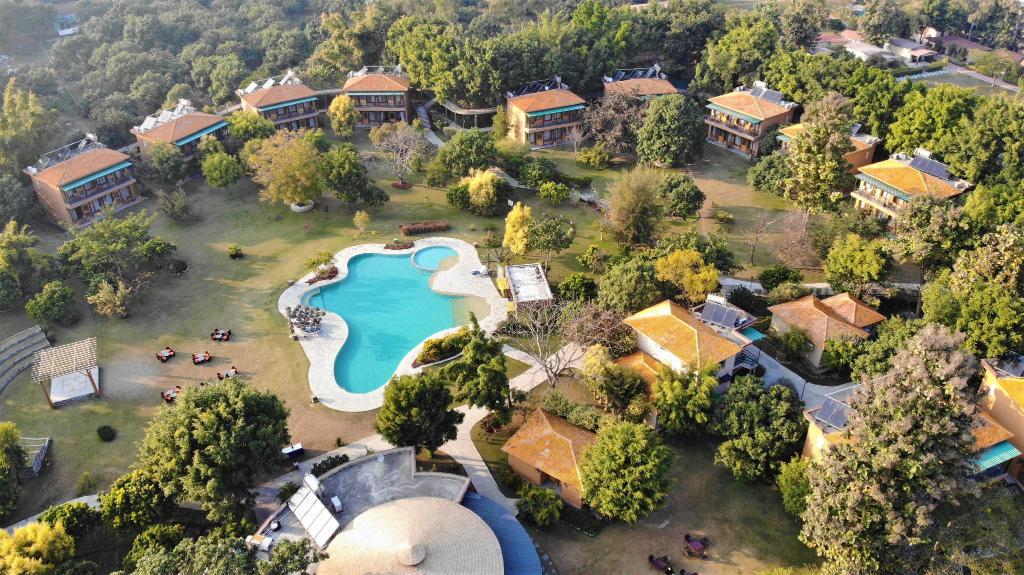
For those looking for a luxurious experience, there are several resorts located in and around the park that offer top-notch amenities such as spas, swimming pools, and fine dining restaurants. These resorts provide an excellent opportunity for travelers seeking relaxation amidst nature.
However, if you’re traveling on a budget or prefer staying closer to nature, then camping sites are also available in Corbett. These campsites offer basic facilities like tents with comfortable beds and attached washrooms. One can immerse themselves fully in nature by choosing these camping sites located right inside the jungle.
Another option is government-run guesthouses spread across different zones of the national park providing affordable stays with necessary facilities such as clean rooms and hygienic food.
No matter what your preference or budget may be, finding suitable accommodation will never be an issue when visiting Jim Corbett National Park!
After exploring the Jim Corbett National Park and all it has to offer, it’s easy to see why so many travelers visit this stunning destination each year. With its rich history, diverse geography, and incredible flora and fauna, there is truly something for everyone here.
Whether you’re interested in embarking on an unforgettable safari adventure or simply relaxing amidst the breathtaking natural beauty of the park, Jim Corbett National Park offers endless opportunities for exploration and discovery.
And with a variety of accommodations available throughout the area that cater to every budget and preference, planning your perfect trip couldn’t be easier.
Best Destination Uttarakhand
Best Resorts in Uttarkhand
Best Hotels in Uttarkhand
| Hotels in Jim Corbett |
| Hotels in Rishikesh |
| Hotels in Badrinath |
| Hotels in Lansdowne |
| Hotels in Haridwar |
| Hotels in Mussoorie |
| Hotels in Nainital |
| Hotels in Dehradun |
| Hotels in Auli |
| Hotels in Kedarnath |
FAQ
Is it safe to go on a safari in Jim Corbett National Park?
Yes, it is completely safe to go on a safari in Jim Corbett National Park. The park authorities take all necessary precautions for visitors' safety during safaris.
Are there any restrictions while going on a safari in Jim Corbett National Park?
Yes, visitors must follow certain guidelines such as not getting down from their vehicles during the safari, not littering inside the park premises, and avoiding making noise that could disturb animals.
Can we book accommodations inside Jim Corbett National Park?
Yes, there are many options for accommodation available inside the park like forest rest houses and lodges run by government agencies.
Visiting India’s oldest national park -Jim Corbett- can be an experience of a lifetime for wildlife enthusiasts and nature lovers alike. With its rich history, diverse flora and fauna along with numerous adventurous activities offered within its boundaries makes it one of India’s most loved tourist destinations. Plan your trip well ahead keeping this guide handy so that you don’t miss out on any adventure or beauty this place has got to offer!